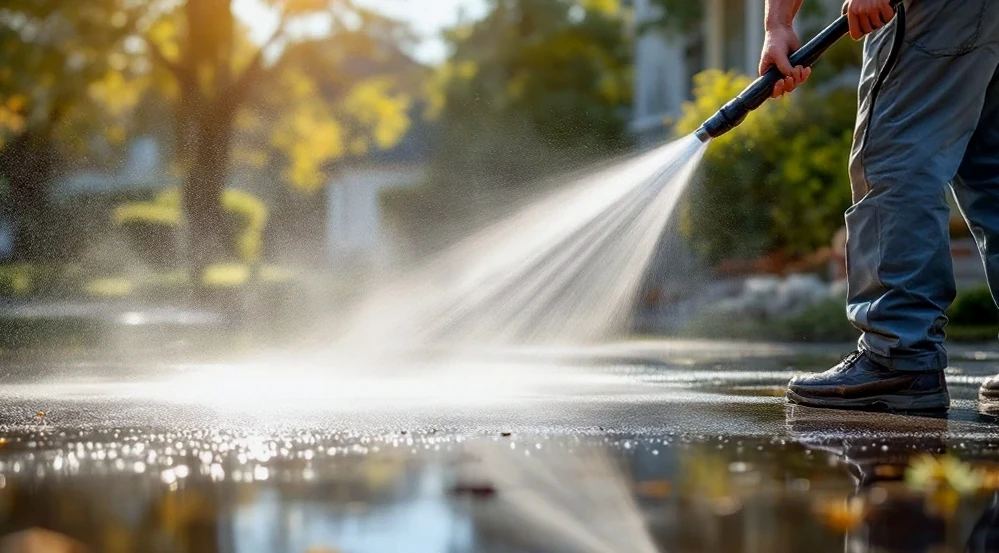
What is Pressure Washing and how does it work?
Pressure washing is using a high-pressure water stream to blast off dirt, mold, mildew, algae, and loose paint from hard surfaces like concrete, brick, wood, and vinyl. It works by combining water volume and pressure to scrub without a brush.
Think of it like a fire hose with a trigger. A typical pressure washer for home use pushes water at 1,500 to 3,000 PSI (pounds per square inch). That's enough to strip paint off a fence if you get too close. A professional unit runs hotter and faster, often around 4 PSI and 4 gallons per minute, which means it cleans without needing harsh chemicals.
In Montgomery, the humidity and heat mean algae and mildew grow fast on north-facing walls and shaded driveways. A pressure washer breaks that biofilm loose. You're not just making things look better, you're removing organic growth that eats into surfaces over time.
The real trick is the nozzle. A 0-degree nozzle shoots a needle-thin stream that can cut concrete. A 40-degree fan nozzle spreads the water out for gentle rinsing. Pros switch nozzles constantly depending on what they're cleaning. A homeowner using a single nozzle on everything is asking for trouble.
Temperature matters. Hot water pressure washers, the kind pros bring, dissolve grease and oil better than cold water. That's why a gas-stained driveway might look clean after a cold wash but the stain returns a week later. Hot water breaks the oil down so it rinses away completely.
So pressure washing is not just spraying water. It's matching pressure, heat, nozzle pattern, and sometimes detergent to the specific surface. Get any one wrong and you either leave dirt behind or damage the material.
How Pressure Washing works, step by step
A professional pressure wash starts with a dry inspection, then pre-wetting plants and sealing windows. Detergent is applied and allowed to dwell. Then the high-pressure rinse removes the grime. Finally, the crew checks for missed spots and cleans up.
First, the crew walks the whole property. They look for loose siding, cracked mortar, electrical boxes, and light fixtures that could leak. In Montgomery, many homes have older brick that's been painted. That paint might be peeling, and a pressure washer can rip it off in sheets if the operator isn't careful. The inspection catches that before water hits the wall.
Next, they wet down all nearby plants, grass, and flower beds. The detergent used on siding or concrete can kill vegetation if it dries on. A good crew soaks everything first, then covers sensitive shrubs with plastic if needed. They also tape over outdoor outlets and light fixtures to keep water out.
Then comes the detergent. For most Montgomery homes, that means a sodium hypochlorite mix (bleach) with a surfactant to make it stick. This kills the mold and algae on contact. The crew sprays it on low pressure so it clings, then lets it sit for 5 to 10 minutes. If the surface is really dirty, they might scrub with a soft brush on a pole.
The rinse is where the pressure comes in. They start at the bottom and work up, keeping the nozzle at a consistent distance. Too close and they etch the concrete. Too far and they leave streaks. A pro can feel the difference in the spray and adjust on the fly. They overlap each pass by about 50 percent to avoid tiger stripes.
After the rinse, they walk the entire area again. They look for any spots where the detergent dried before being rinsed, which leaves white residue. They also check gutters and downspouts to make sure nothing clogged during the wash. Finally, they remove the plastic covers and do a light rinse on the plants to wash off any chemical splash.
Why Pressure Washing matters for your home
Pressure washing removes algae, mold, and mildew that eat away at siding, rot wood, and cause concrete to spall. It also keeps your paint and stain lasting longer, and it stops slippery walkways before someone gets hurt.
Montgomery gets 50 inches of rain a year, and the summer humidity sits above 70 percent most days. That's a perfect environment for algae and mold to grow on any surface that stays damp. On wood siding, that growth holds moisture against the grain and accelerates rot. On concrete, the roots of mildew can work into the pores and cause the surface to flake off, a process called spalling.
A dirty driveway or walkway is a slip hazard. That green film on concrete is actually living algae. When it gets wet, it's as slick as ice. Every year in Montgomery, people take a fall on their own front steps or driveway. Pressure washing removes that film and restores traction.
Paint and stain last longer when the surface underneath is clean. If you paint over mildew, the mildew keeps eating the wood underneath and the paint peels within a year. A proper pressure wash before painting gives the paint a clean, rough surface to bond to. That means you repaint less often.
There's also the resale angle. A house with clean siding, a bright driveway, and no green streaks on the roof looks newer and better maintained. Real estate agents in Montgomery will tell you that a dirty exterior can knock thousands off an offer. A pressure wash is cheap compared to that hit.
And it's not just looks. Pressure washing removes pollen, dirt, and mold from the outside of your HVAC unit. That unit pulls air through its coils. If the coils are caked with crud, it has to work harder and uses more electricity. A clean unit runs more efficiently.
Common problems and what causes them
The most common problems are etching concrete with too much pressure, forcing water behind siding, killing plants with bleach runoff, and leaving streaks from letting detergent dry on the surface. Each is caused by rushing or using the wrong technique.
Etching happens when the nozzle is too close to concrete. The high-pressure stream blasts the sand out of the cement paste, leaving a rough, pitted surface that looks darker and collects dirt faster. On a driveway, this shows up as a permanent lighter or darker stripe where the operator lingered. The fix is to keep the nozzle at least 12 inches away and use a wider fan pattern.
Water intrusion is a big one in Montgomery because so many homes have vinyl or fiber cement siding. If you spray upward into the bottom edge of the siding, water can get behind it and run down inside the wall. That leads to mold in the wall cavity, which you won't see until it's a major problem. A pro always sprays horizontally or downward, never up.
Killing plants is almost always from bleach runoff. The sodium hypochlorite in the detergent kills grass and shrubs if it puddles and dries. A good crew wets everything down first and rinses plants after. But even then, if the concentration is too high or the dwell time too long, you can still damage vegetation. That's why pros use a weaker mix on delicate areas.
Streaks come from letting detergent dry on the surface before you rinse it. In Montgomery's summer heat, that can happen in under two minutes on a sunny day. A pro works in small sections, rinsing as they go, and never lets the chemical dry. If you see white or brown streaks after a wash, that's likely dried detergent residue.
Another issue is using the wrong nozzle on wood. A pressure washer can gouge soft pine or cedar in a split second. That leaves permanent grooves in the wood that you can't sand out. On wood decks, a pro uses a wide fan nozzle and keeps the pressure low, or switches to a soft wash system that uses chemical instead of brute force.
Common questions about Pressure Washing
Need pressure washing in Montgomery? Get a free estimate today.
📞 256-472-5493